


Plant parasitic nematode are responsible for extensive production losses in agriculture and gardens. With the reduction of chemical pesticides, we have to rely on alternative measures to control the density of harmful nematodes in soil. Hereby crop rotation is not always effective. After all, not all nematodes are host-specific. In short increasing the soil resistivity is the only remaining alternative. Frassor Insect Manure is very rich in organic matter and chitin and increases the plant and soil resistance.
What are Nematodes?
Nematodes are found in all soils. There are many tens of thousands of them in a handful of soil. They feed on all kinds of soil life. Based on their food preferences, six groups can be distinguished: the bacteria-eating, the fungal-eating, the carnivorous, the omnivorous, the algae-eating and finally the herbivorous nematodes.
Can you control harmful nematodes?
The ecosystem can become disrupted because, for example, the same crops have been used for years. For example, potato fatigue, or rose fatigue occur when the crop rotation is too tight.
Hereby, the causal agents of plant or soil diseases are only a small fraction of all nematode species, many other species actually have a very useful function in the soil, especially because they help to release more nutrients for plant life. Here, experiments to increase the number of nematode-eating nematodes showed good results in the control of plant parasitic nematodes. This was done by feeding the nematodes with chitin.
Because Frassor is produced from insect manure, it is very rich in Chitin. In summary, Frassor insect manure is not a pesticide but will increase soil resistance to harmful nematodes by stimulating good nematodes. These will then eat the harmful nematodes.
Nematodes play an important role in the food web
First, they eat and second, they are eaten. Because of this they are indispensable to the ecosystem. Both in nature and in agriculture. The presence of many good nematodes is an indication that the soil is very healthy. After all, these nematodes eat other soil organisms and thus regulate the numbers of bacteria and fungi. They also release nutrients well. Most nematodes have a disease-fighting function in the soil. Summary Nematodes that affect plants are a minority. Yet they are sometimes the nightmare of many arable farmers and horticulturists.

Soil is the most important foundation in gardening and agriculture. Damage caused by nematodes leads to lower yield and quality. Therefore, attention to soil resilience is important.
Plant-eating or -parasitic nematodes
Plant-parasitic nematodes feed on plant sap by puncturing plant cells. Therefore, they have a needle-shaped head that pierces the cell wall of plants. after which they can suck up the nutrients from the plant. Usually, nematodes affect the roots or underground stems, for example, flower bulbs. On the other hand, nematodes that do not eat living plants usually do not have a needle-shaped spine. Finally, in the Netherlands there are about twelve hundred species of soil nematodes. Of these, about 100 are harmful to plant growth.
Which nematodes cause damage?
The various nematode species each have specific characteristics. Each species has preferences for certain crops and/or host plants. Here is an overview of the main groups of nematodes:
- Root lesion nematodes
Root lesion nematodes (Pratylenchus penetrans and Pratylenchus crenatus)
- Root-knot nematodes
Meloidogyne chitwoodi, hapla, fallax
- Cyst nematodes
Potato cyst nematode (Globodera pallida and Globodera rostochiensis)
Beet cyst nematode (Heterodera schachtii)
Yellow beet cyst nematode (Heterodera trifolii)
- Free-living root nematodes
Pinworms (Paratylenchus bulkowinensis)
Xiphinema
Longidorus elongatus
Trichodorides
- leaf nematode
Aphelenchoides ritzemabosi, fragariae
For more Knowledge about the above plant parasitic nematodes check out Nematode Schedule.


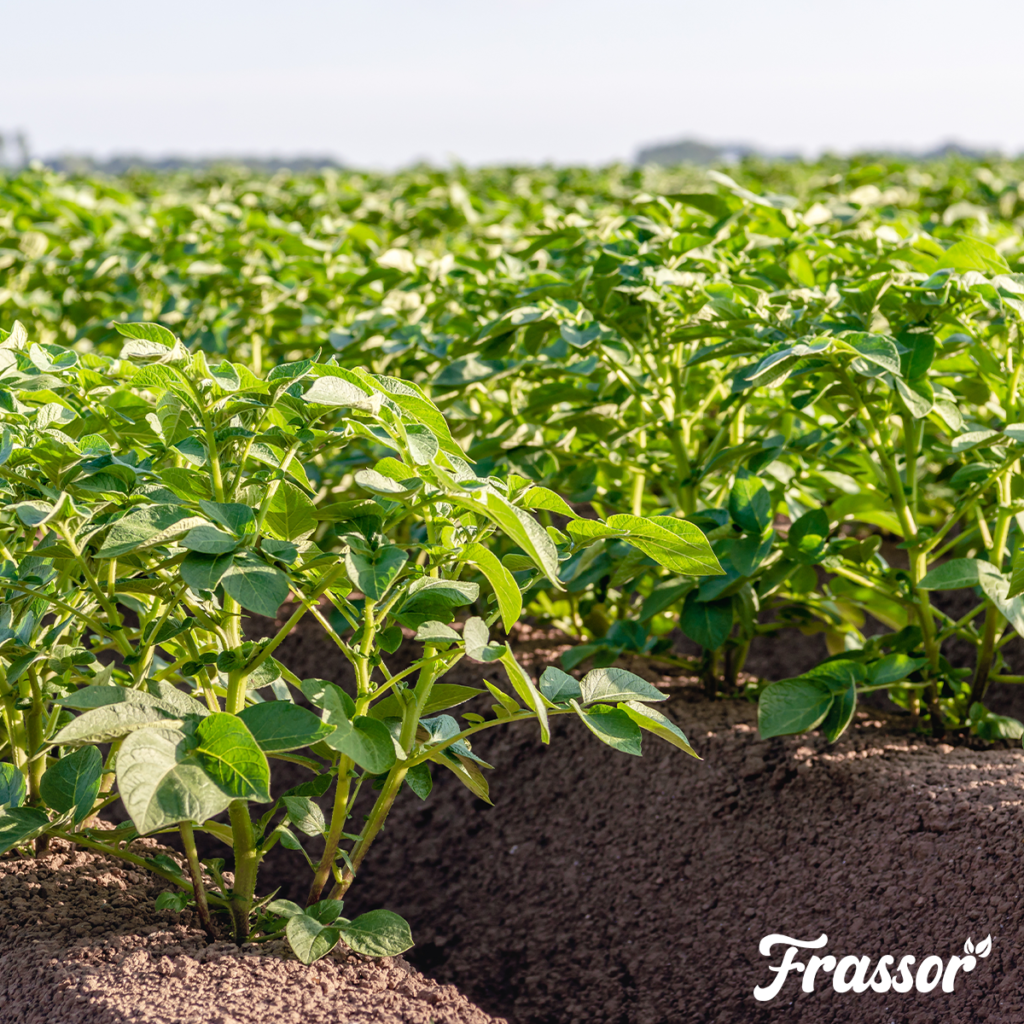
Can you control Harmful Nematodes with Frassor insect fertilizer?
A lot of research has been done into soil health and resistance increase with Chitin. In the Vredepeel test center, for example, it was proven that the disease resistance against parasitic nematodes and Verticilium dahliae is increased by administration of chitin. Chitin is a component of the body structures of nematodes and fungi. If bacterial populations that break down chitin are now supported by adding chitin then they will also start attacking the eggs of nematodes or the threads of harmful fungi. With each donation, positive bovine life is nurtured and plant resilience increased. After all, Frassor insect manure is very rich in chitin. Through 1 to 3 applications of at least 1kg of Frassor insect manure per 10m, sufficient chitin will be introduced into the soil. In summary we can say that Frassor insect frass prevents and restores.
-
 Frassor Border Fertiliser All-in-One 24×1000 kg Full truckload
-
 Frassor Autumn Fertiliser All-in-One 24×1000 kg Full truckload
-
 Frassor Lawn Fertiliser All-in-One 24×1000 kg Full truckload
-
 Frassor Plant Resilience Concentrate – 1000 L IBC
-
 Frassor Root Balance Concentrate – 1000 L IBC
-
 Frassor Soil Resilience Concentrate – 1000 L IBC
-
 Frassor Soil Vital Concentrate – 1000 L IBC
-
 Frassor Grass Vital Concentrate – 1000 L IBC
-
 Frassor Grass Resilience Concentrate – 1000 L IBC
-
 Frassor Leaf Resilience Concentrate – 1000 L IBC
-
 Frassor Leaf Vital Concentrate – 1000 L IBC
-
 Lawn Seed for Renovation and Overseeding – 40x = 600 kg for 3 ha
-
 Lawn Seed for Renovation and Overseeding – 15 kg for 750 m2
-
 Frassor Grass Seed for Hay and Silage – 40x = 600 kg for 10 ha
-
 Frassor Grass Seed for Hay and Silage – 15 kg for 2500 m2
-
 Drought-Resistant Lawn Seed – 40x = 600 kg for 30000 m2
-
 Drought-Resistant Lawn Seed – 15 kg for 750 m2
-
 Frassor Plant Resilience Concentrate – 1 L for 1000 m2
-
 Frassor Root Balance Concentrate – 1 L for 1000 m2
-
 Frassor Soil Resilience Concentrate – 1 L for 1000 m2
-
 Frassor Soil Vital Concentrate – 1 L for 1000 m2
-
 Frassor Grass Vital Concentrate – 1 L for 250 m2
-
 Frassor Grass Resilience Concentrate – 1 L for 250 m2
-
 Frassor Leaf Vital Concentrate – 1 L for 1000 m2
-
 Frassor Leaf Resilience Concentrate – 1 L for 1000 m2
-
 Frassor Lawn Fertiliser All-In-One – 50x = 1000 kg for 20000 m2
-
 Frassor Lawn Fertiliser All-in-One – 20 kg for 400 m2
-
 Frassor Lawn Fertiliser All-in-One – 7 kg for 140 m2
-
 Frassor Border Fertiliser All-in-One – 50x = 1000 kg for 15000 m2
-
 Frassor Border Fertiliser All-in-One – 20 kg for 300 m2
-
 Frassor Border Fertiliser All-in-One – 7 kg for 105 m2
-
 Frassor Autumn Fertiliser All-in-One – 50x = 1000 kg for 20000 m2
-
 Frassor Autumn Fertiliser All-in-One – 20 kg for 400 m2
-
 Frassor Autumn Fertiliser All-in-One – 7 kg for 140 m2
-
 Frassor Universal Fertilizer – 50x = 1000 Kg for 10000 m2 – Insect Frass
-
 Frassor Universal Fertilizer – 20 Kg for 200 m2 – Insect Frass
-
 Frassor Universal Fertilizer – 5 Kg for 50m2 – Insect Frass


